puerh.app · sampling channel Encyclopedia · School · Atlas · Pu-erh · Equipment EN · RU · · · FR · ES · AR
pǔ·ěr Browse all →

home · topic

Sheng pu'er

The raw leaf, and the long wait it asks for

Shēng Pǔ'ěr · 生普洱

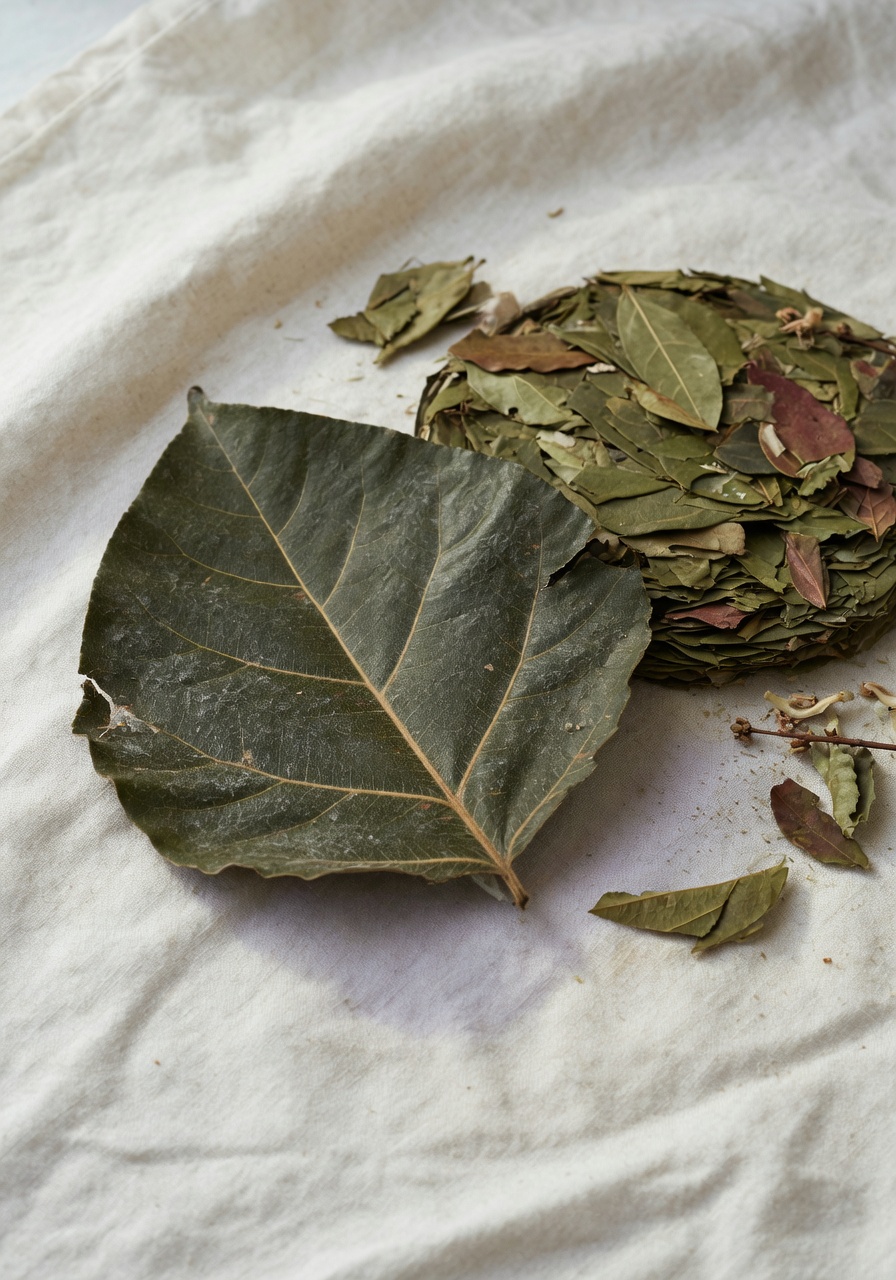
Sheng pu'er is the older, slower half of the pu'er story — sun-dried *máochá* from large-leaf Yunnan varietals, compressed young and left to change for decades. It begins astringent and floral, and ends, if you are patient, somewhere closer to camphor, leather and old wood.

The <em>raw</em> leaf, and the long wait it asks for

A category defined by what time does to it

Sheng pu’er (shēng pǔ’ěr, 生普洱) is, on paper, the simplest tea in China — Camellia sinensis var. assamica leaves, fixed in a wok, rolled, dried in the sun, then steamed and pressed into cakes. No oxidation step, no fermentation chamber, no scenting. What makes it complicated is everything that happens afterwards. A 2005 Yiwu cake and a 2024 Yiwu cake from the same village can taste like different beverages, and the gap between them is the entire reason this category exists.

The modern sheng tradition is younger than people assume. Compressed Yunnan tea has moved along the old horse-caravan routes for centuries, but the deliberately-aged sheng cake as a connoisseur object only crystallised in Hong Kong and Taiwan storage cellars from the late 1970s onward, and the boom that reshaped Xishuangbanna villages — Lǎo Bānzhāng (老班章), Bīngdǎo (冰岛), Yīwǔ (易武) — came after roughly 2003, when mainland collectors entered the market. The 2007 price crash and the gradual recovery that followed taught the category its current shape: single-village sourcing, named gǔshù gardens, traceable spring pickings.

Taxonomy inside sheng is layered. By geography, the two great axes are Měnghǎi (勐海) county — bigger leaves, more bitterness, famously long-lived — and Yiwu — softer, sweeter, slower to develop. By tree age and cultivation, you move from terrace bushes through xiǎoshù (small tree) to gǔshù (old tree, conventionally 100+ years), a distinction explored in our piece on the gushu / ‘old tree’ debate. By grade, the same cake contains tight buds, mature leaves, and the broad yellow leaves discussed in huangpian — the yellow leaves nobody wanted, which were historically discarded and are now sold on their own merit. And by intention, every cake sits somewhere on the drink-now / store-for-later spectrum that young sheng — drink now or wait? tries to chart honestly.

The technical line between sheng and the cooked, wet-piled shu category is sharper than newcomers expect — sheng vs shu — what actually changes walks through the wòduī (渥堆) pile-fermentation that splits them in 1973 at the Kunming and Menghai factories. Sheng has no such shortcut. Its transformation is microbial and oxidative, but slow and ambient, governed by humidity, airflow and the patience of whoever owns the cake.

This is why sheng behaves less like a product and more like an asset. Storage conditions in Guangzhou, Kunming, Malaysia and northern Europe all produce recognisably different aged profiles from identical pressings; the aging calculator in this encyclopedia is an attempt to make those variables legible. Producers worth following — Menghai Tea Factory, Xiaguan, boutique pressers like Yang Qing Hao, and the village-level workshops profiled under /producers — each have a storage philosophy as much as a sourcing one.

For practical sourcing, shop.puerh.app lists current pressings with vintage and village data; for the cultural and caravan history that frames why sheng moved the way it did, tea.travel covers the Yunnan routes in detail. Sheng rewards reading before drinking, and drinking before deciding.

16 articles

In this topic

  1. — 01

    Gushu / 'old tree' tea — what's real, what's marketing

    The term *gǔshù* (古树) sells more cake than any other two characters in Yunnan. Most of what's labelled gushu is not. Here's how to read the claim — botanically, contractually, and in the cup.

  2. — 02

    Huangpian — the yellow leaves nobody wanted

    The oversized, pale leaves sorted out of premium sheng cakes were once treated as waste. A generation of drinkers has quietly turned that waste into one of the most honest cups in the pu'er catalogue.

  3. — 03

    Sheng vs shu — what actually changes

    Two teas share a name, a region, and a leaf — and almost nothing else. The 1973 invention of *wò duī* (渥堆) split pu'er into raw and ripe, and the chemistry of that split still defines every cake pressed today.

  4. — 04

    Young sheng — drink now or wait?

    The question every collector asks within their first year. Some cakes are radiant at eighteen months; others need a decade before they stop biting. Here is how to tell which is which.

  5. — 05

    Гушу / чай со «старых деревьев» — что настоящее, а что маркетинг

    Термин *gǔshù* (古树) продаёт больше блинов, чем любые другие два иероглифа в Юньнани. То, что маркируется как гушу, таковым не является. Вот как понимать это заявление — с точки зрения ботаники, контрактов и чашки.

  6. — 06

    Хуанпянь — жёлтые листья, которые никому не были нужны

    Крупные, бледные листья, отсортированные из премиальных шэн-блинов, когда-то считались отходами. Поколение любителей чая незаметно превратило эти отходы в одну из самых честных чашек в каталоге пуэра.

  7. — 07

    *Shēng* против *Shú* — что на самом деле меняется

    Два чая имеют общее название, регион и лист — и почти ничего больше. Изобретение *wò duī* (渥堆) в 1973 году разделило пуэр на сырой и зрелый, и химия этого разделения по-прежнему определяет каждый прессованный блин сегодня.

  8. — 08

    Молодой sheng — пить сейчас или ждать?

    Вопрос, который задаёт каждый коллекционер в первый год. Одни блины сияют уже в восемнадцать месяцев; другим нужен десяток лет, чтобы перестать кусаться. Вот как отличить одно от другого.

  9. — 09

    Gushu /「古树」茶——什么是真实,什么是行销手段

    「古树」这个词(*gǔshù*,古树)在云南卖出的茶饼数量,超过任何其他两个字。大部分标示为古树的产品并非如此。以下教你如何从植物学、契约角度和杯测来解读这项宣称。

  10. — 10

    黄片——无人问津的黄叶

    从高档生茶饼里拣出来的那些过大、色浅的叶片,曾一度被视为废料。一代茶客悄悄地将这废料变成了普洱茶谱系里最诚实的一杯茶。

  11. — 11

    生茶 vs 熟茶 — 究竟改变了什么

    两种茶共享一个名称、一片产区、一片叶子 — 除此之外几乎毫无交集。1973 年 *wò duī*(渥堆)的发明,将普洱茶分为生、熟两类,这道分裂的化学至今仍定义着每一片压制的茶饼。

  12. — 12

    年轻生普 — 现在喝还是等?

    每个藏茶人在第一年都会问的问题。有些茶饼在十八个月时就光彩照人;另一些则需要十年才不再咬口。这里告诉你如何分辨。

  13. — 13

    Gushu /「古樹」茶——什麼是真實,什麼是行銷手段

    「古樹」這個詞(*gǔshù*,古树)在雲南賣出的茶餅數量,超過任何其他兩個字。大部分標示為古樹的產品並非如此。以下教你如何從植物學、契約角度和杯測來解讀這項宣稱。

  14. — 14

    黃片——無人問津的黃葉

    從高檔生茶餅裡揀出來的那些過大、色淺的葉片,曾一度被視為廢料。一代茶客悄悄地將這廢料變成了普洱茶譜系裡最誠實的一杯茶。

  15. — 15

    生茶 vs 熟茶 — 究竟改變了什麼

    兩種茶共享一個名稱、一片產區、一片葉子 — 除此之外幾乎毫無交集。1973 年 *wò duī*(渥堆)的發明,將普洱茶分為生、熟兩類,這道分裂的化學至今仍定義著每一片壓製的茶餅。

  16. — 16

    年輕生普 — 現在喝還是等?

    每個藏茶人在第一年都會問的問題。有些茶餅在十八個月時就光彩照人;另一些則需要十年才不再咬口。這裡告訴你如何分辨。