Tools · classifier
Sheng or shu?
Five quick questions about the leaf, the liquor and the cup in front of you. No account, no upload — just a fast field read built from the same sensory markers covered in sheng vs shu — what actually changes.
Reads as
Sheng (raw) pu-erh
The answers lean toward the sheng profile: brighter or aged-but-still-recognisable colour, floral-to-woody aroma, and a bitterness that resolves into sweetness rather than being absent from the start.
This is a fast field read, not a lab test. Deeply aged sheng from tropical storage can converge toward a shu-like cup — the full article covers that edge case.
Reads as
Shu (ripe) pu-erh
The answers lean toward the shu profile: uniformly dark leaf and liquor, earthy-to-sweet aroma, and a smooth cup with little bitterness — the pile fermentation has already done its work.
This is a fast field read, not a lab test. The full article covers the chemistry behind each marker.
Real SKU · shop.teamotea.com
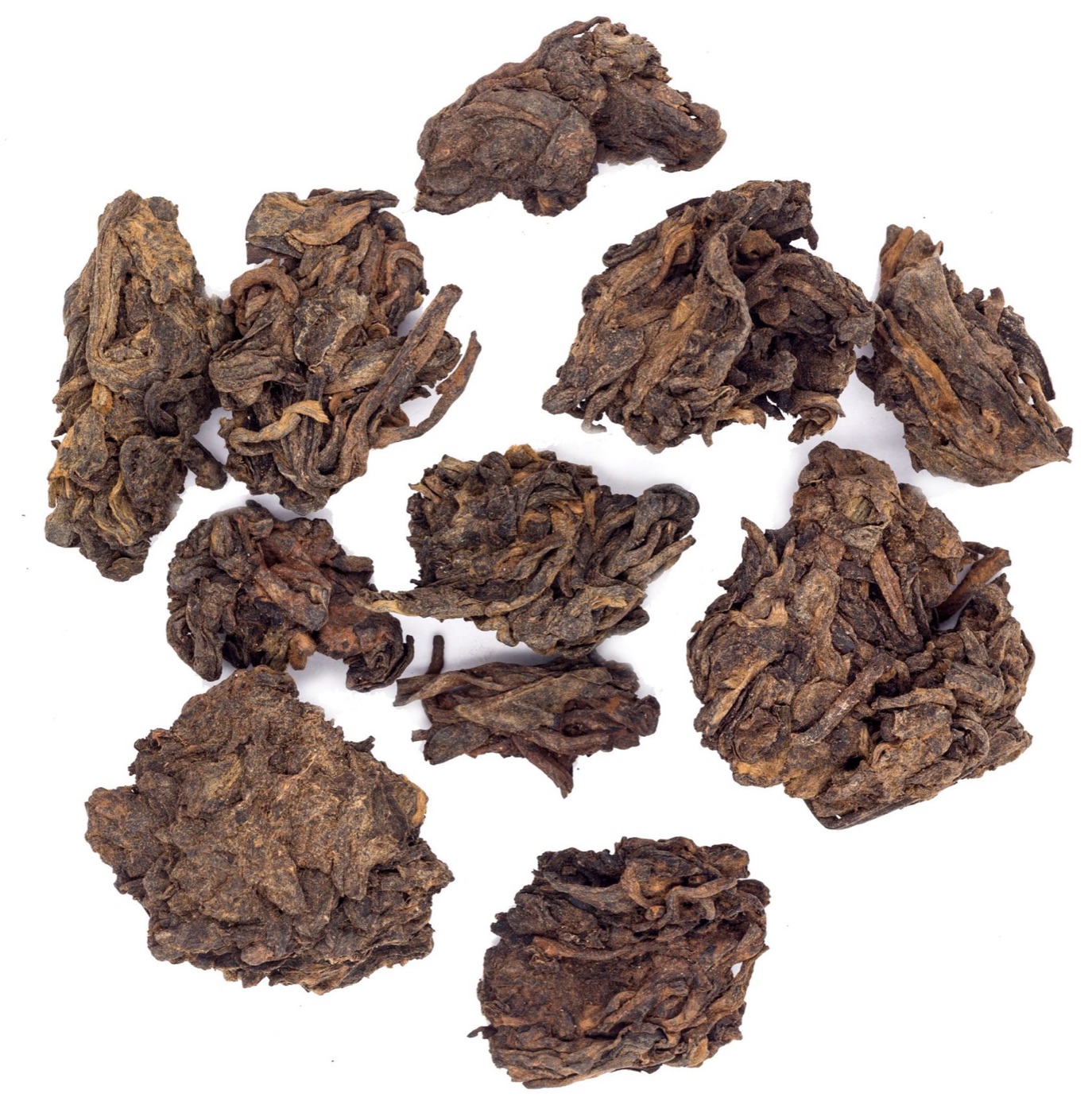
Lǎo chá tóu
老茶头
التكتلات الكثيفة الغنية بالبكتين التي تتشكل طبيعيًا داخل كومة *wò duī* — كانت تُتخلص منها سابقًا كمنتج ثانوي، أما الآن فتُباع منفردةً لتقدم كوبًا كثيفًا حلوًا يتجاهل التعامل القاسي مع الأوراق.
Real SKU · shop.teamotea.com
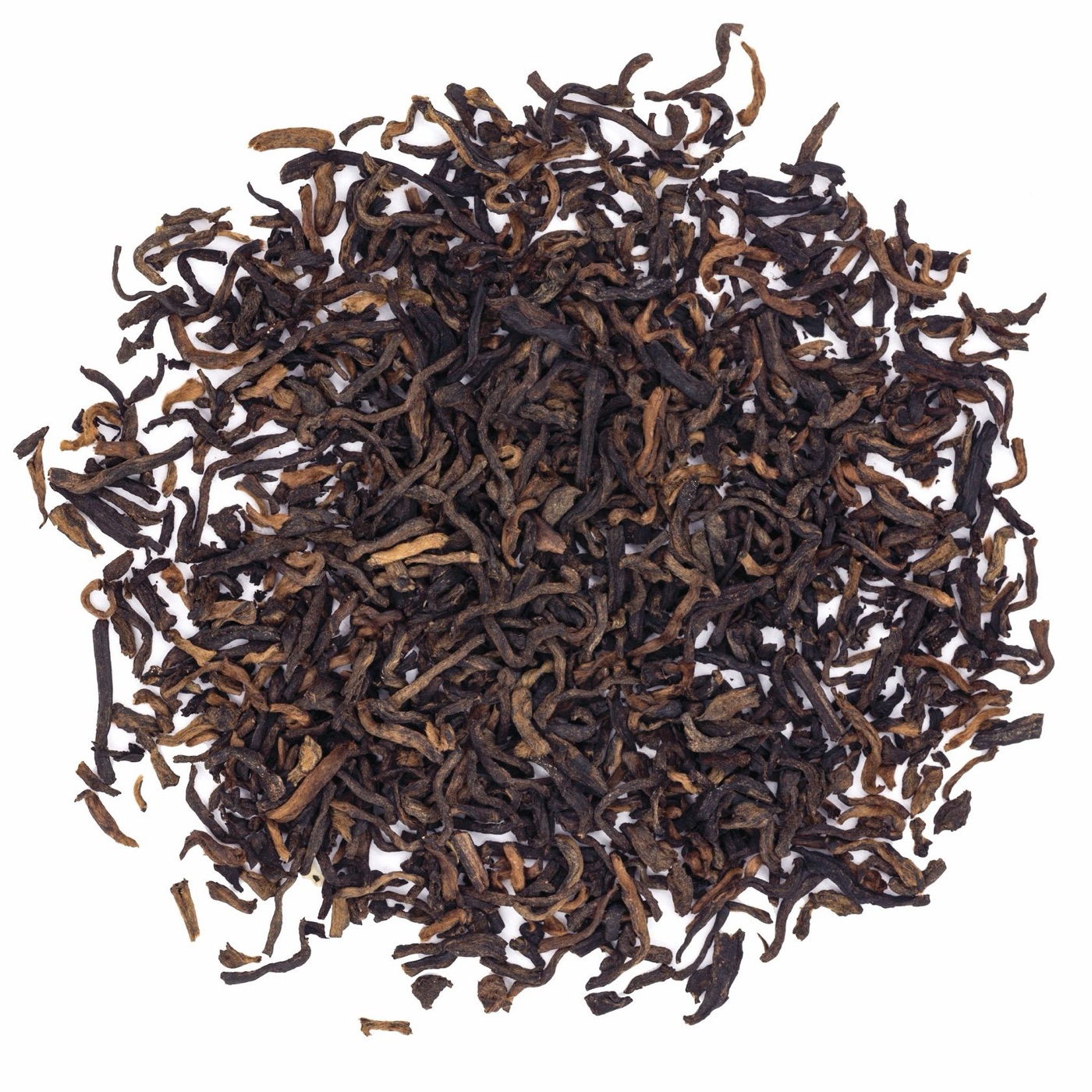
Gōngtíng pǔ'ěr
宫廷普洱
أرقى درجة برعم في تصنيف الشو المكون من ثلاثة عشر مستوى — أوراق صغيرة وناعمة يتم فرزها بعد *wò duī*، مع كوب ناعم لا يحمل أيًا من الثقل الترابي الذي يتوقعه بعض الشاربين من الشاي بو إير الناضج.