Tools · classifier
Sheng or shu?
Five quick questions about the leaf, the liquor and the cup in front of you. No account, no upload — just a fast field read built from the same sensory markers covered in sheng vs shu — what actually changes.
Reads as
Sheng (raw) pu-erh
The answers lean toward the sheng profile: brighter or aged-but-still-recognisable colour, floral-to-woody aroma, and a bitterness that resolves into sweetness rather than being absent from the start.
This is a fast field read, not a lab test. Deeply aged sheng from tropical storage can converge toward a shu-like cup — the full article covers that edge case.
Reads as
Shu (ripe) pu-erh
The answers lean toward the shu profile: uniformly dark leaf and liquor, earthy-to-sweet aroma, and a smooth cup with little bitterness — the pile fermentation has already done its work.
This is a fast field read, not a lab test. The full article covers the chemistry behind each marker.
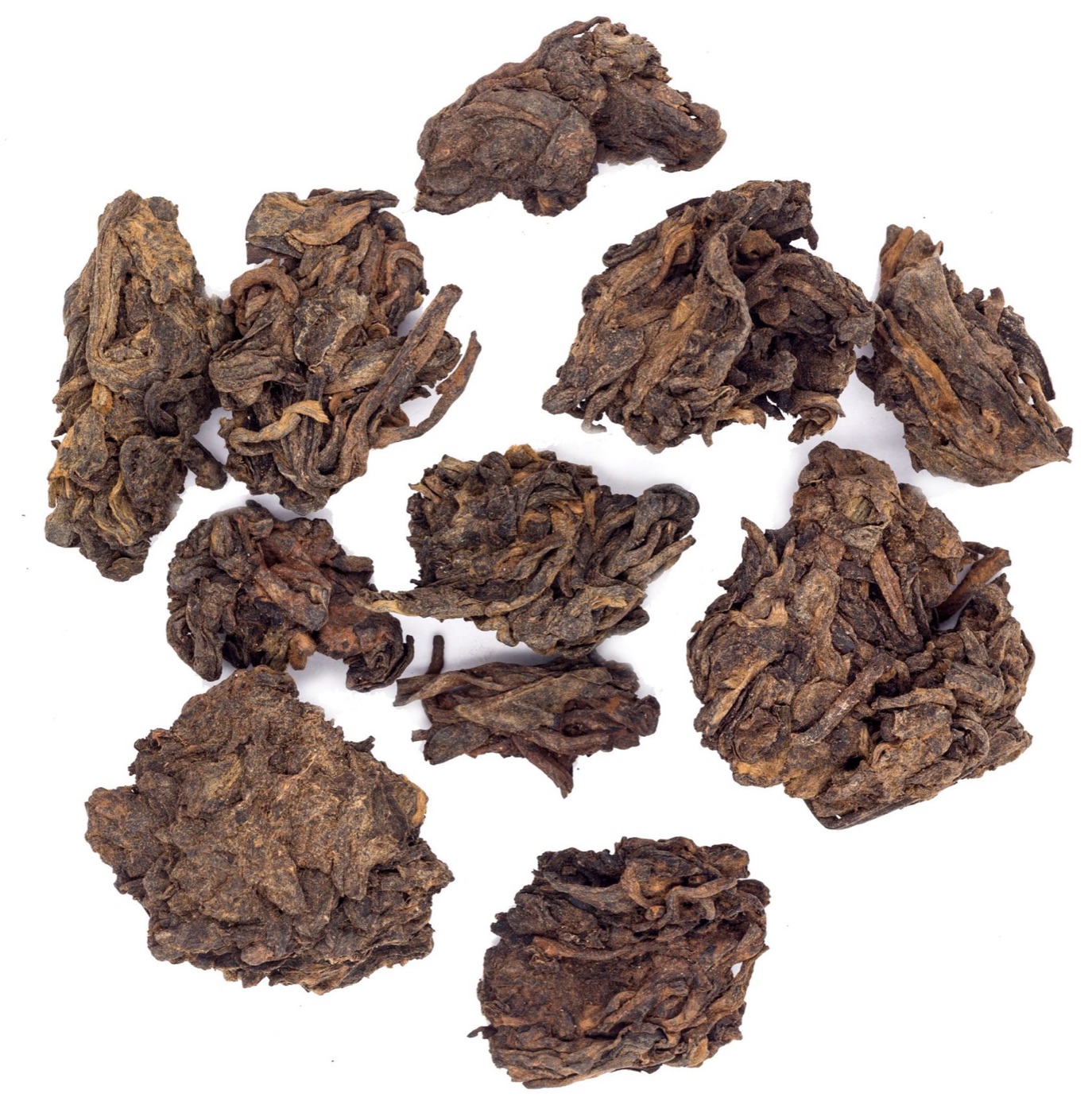
Real SKU · shop.teamotea.com
Lǎo chá tóu
老茶头
The dense, pectin-rich clumps that form naturally inside a wò duī pile — once discarded as a by-product, now sold on their own for a thick, sweet cup that shrugs off a heavy hand with the leaves.
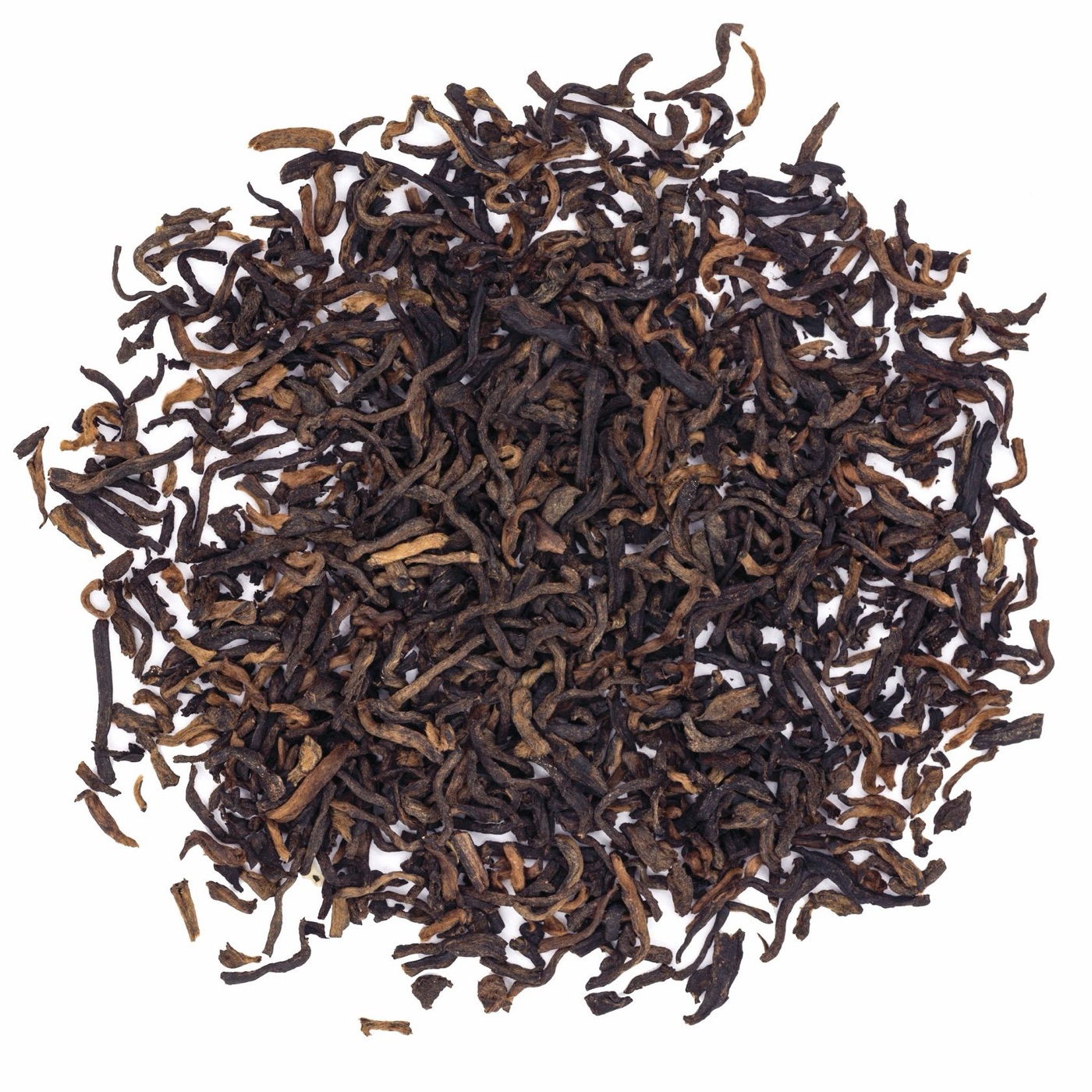
Real SKU · shop.teamotea.com
Gōngtíng pǔ'ěr
宫廷普洱
The finest bud grade in the thirteen-tier shu classification — small, tender leaf sorted after wò duī, with a smooth cup that carries none of the earthy heaviness some drinkers expect from ripe pu-erh.